The Role of Bone Grafting in Successful Dental Implants
Expert Dental Implant Care in Rockaway Beach, NY
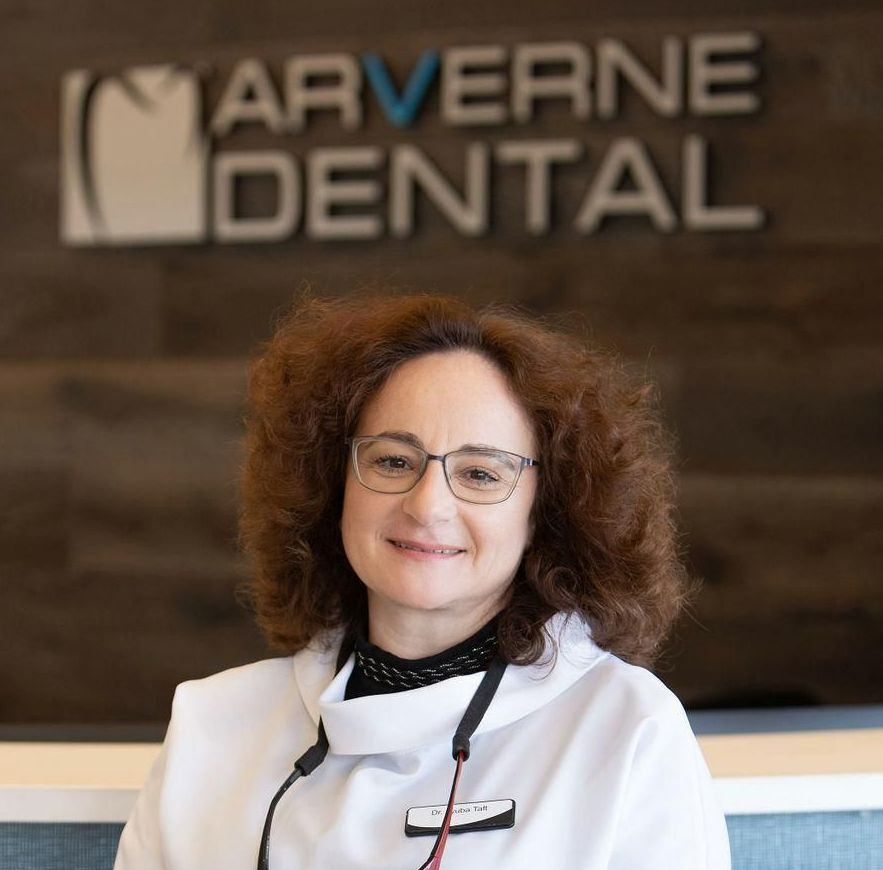
Missing a tooth, or even several missing teeth, can disrupt not only your smile but also your overall oral health, confidence, and quality of life. At Arverne Dental in Rockaway Beach, NY, Dr. Lyuba Taft and her compassionate team understand that restoring a complete, functional smile matters deeply to you. With years of experience serving adults and families in the community, Arverne Dental combines state‑of‑the‑art technology and personalized care to help patients achieve lasting results with dental implants and related treatments.
One critical component of successful dental implant placement, something many patients may not initially consider, is bone grafting. In this article, we’ll walk through what bone grafting is, why it’s so important for dental implants, and how treatments like implant‑supported dentures, All‑on‑4 implants, and fixed dentures can transform smiles and lives.
What Is Bone Grafting and Why It Matters
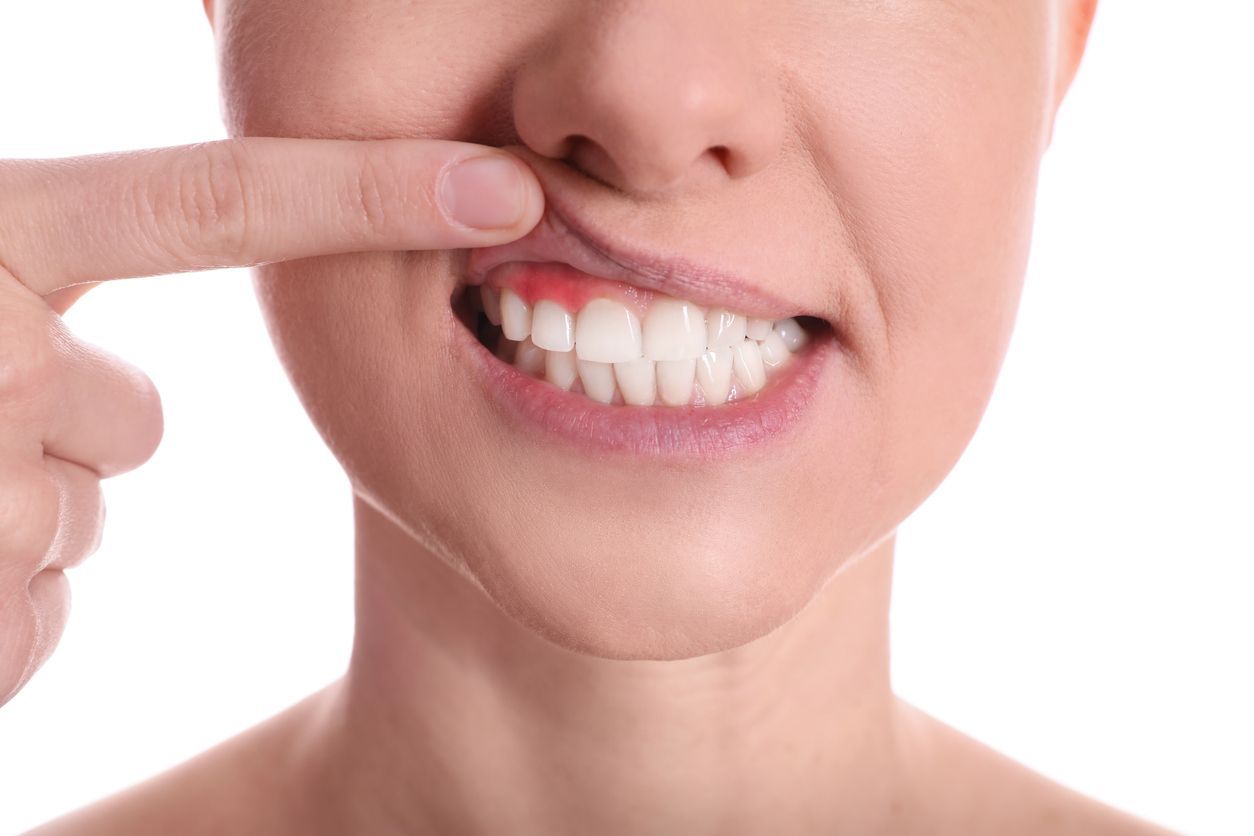
When a tooth is lost, whether due to injury, decay, or extraction, the underlying jawbone begins to deteriorate over time. Without stimulation from the tooth root, bone resorption (shrinkage) can occur. For individuals who have lived with missing teeth for years, this can mean insufficient bone mass to support a dental implant comfortably and securely.
Bone grafting is a surgical procedure that adds bone material to the jaw. This can come from:
- The patient’s own bone (autograft)
- Donor bone (allograft)
- Synthetic bone substitutes
The graft acts as a scaffold that encourages new bone growth, strengthening the area so it can accept a dental implant. Without a strong bone foundation, implants may fail or not be possible at all.
How Missing Teeth Impact Your Health
Missing teeth aren’t just a cosmetic concern. They can lead to:
- Bone loss in the jaw
- Difficulty chewing
- Changes in speech
- Shifting teeth
- Facial sagging
- Higher risk of gum disease
Bone loss occurs when the jaw isn’t stimulated by natural tooth roots or implants. This can change your facial structure and make future dental treatments more complex. That’s why early assessment and bone grafting, when needed, are so critical for long‑term oral health.
Why Dental Implants Are the Gold Standard for Replacing Missing Teeth
Dental implants are a permanent restorative solution designed to look, feel, and function like your natural teeth. Unlike traditional dentures or bridges, implants integrate directly with your jawbone, creating a stable foundation that helps preserve facial structure and chewing function.
How do dental implants work?
- A titanium implant post is surgically placed into the jawbone.
- Over time, the bone naturally fuses to the implant in a process called osseointegration.
- Once healed, a custom dental implant crown, fixed denture, or implant‑supported prosthesis is securely attached.
The long‑term success of an implant often depends on having sufficient jawbone density. That’s why for many patients, bone grafting plays a critical role.
Understanding Jawbone Loss: Causes and Progression
Many patients don’t realize that jawbone loss begins soon after a tooth is lost. Without the stimulation of a tooth root, the body begins to absorb the surrounding bone in a process called resorption. In fact, up to 25% of bone width can be lost within the first year after tooth loss.
But missing teeth aren’t the only culprit. Chronic conditions such as periodontal (gum) disease, untreated infections, and oral trauma can all contribute to bone deterioration. Over time, bone loss can affect not only your ability to chew or speak properly but also your facial appearance, resulting in a sunken or aged appearance.
Left unaddressed, this loss of bone can make dental implant placement more complicated or even impossible without prior intervention. That’s why early evaluation and, if needed, bone grafting are so essential to maintaining a strong foundation for future dental work. At Arverne Dental, our team is experienced in diagnosing and treating bone loss to help you restore both function and confidence.
Signs You Might Need a Bone Graft
If you’ve experienced any of the following, you may benefit from a bone graft before implant surgery:
- You’ve had missing teeth for many years
- You’ve worn
dentures for a long time
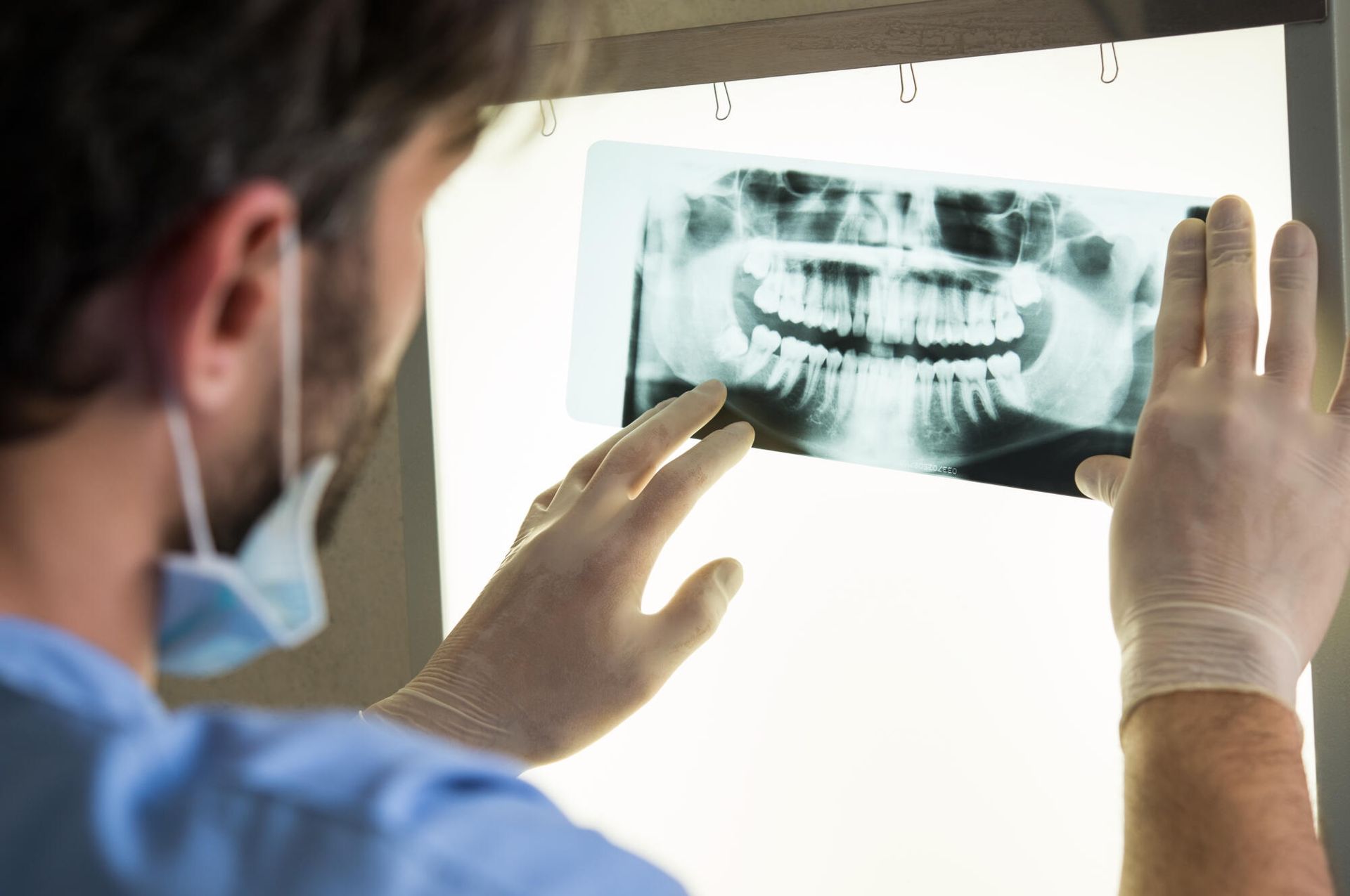
- X‑rays show a thinning jawbone
- You’ve suffered periodontal (gum) disease
A comprehensive evaluation with X‑rays or 3D scans at Arverne Dental helps determine if bone grafting is needed and what type is best for your smile.
How Bone Grafting Prepares Your Jaw for Implants
The success of dental implants depends on two things: stability and integration. Bone grafting enhances both.
Stability
A denser jawbone provides a firm base for the implant post, much like a solid foundation for a house. This stability minimizes movement and increases the chance that the implant will succeed long‑term.
Integration
With adequate bone volume, the implant can properly fuse with your jaw through osseointegration. This ensures the implant becomes as strong and secure as a natural tooth root.
During your consultation, Dr. Taft will review your bone structure and recommend a graft when necessary to optimize implant outcomes.
Implant Options Enhanced by Bone Grafting
Bone grafting makes more advanced implant options a reality for patients who may not have had enough bone naturally.
1. Single Dental Implants
For individual missing teeth, implants with custom crowns offer a natural feel and seamless appearance. Bone grafting ensures the implant stays secure and long‑lasting.
2. Implant‑Supported Dentures
Traditional dentures can slip, especially in the lower jaw. Implant‑supported dentures attach to implants placed in your jaw, giving you stability for chewing, speaking, and smiling confidently.
3. All‑on‑4 Dental Implants
This full‑arch restoration technique uses just four strategically placed implants to support an entire arch of teeth. All‑on‑4 can often bypass the need for extensive grafting, but in cases where bone loss is significant, bone grafting still plays a valuable role in ensuring long‑term stability.
4. Fixed Dentures
These are permanently anchored and don’t come out like traditional dentures. Bone grafting ensures a secure anchor by providing enough bone structure for the implant posts to fuse correctly.
Am I a Candidate for Dental Implants?
Dental implants are a versatile solution, but they’re not one-size-fits-all. The good news? Thanks to modern techniques, including bone grafting, more patients than ever before qualify for implant treatment.
You may be a strong candidate for dental implants if you:
- Are missing one or more teeth
- Have adequate jawbone density or are open to bone grafting
- Are in good general health
- Have healthy gums (or are committed to treating gum disease)
- Do not smoke or are willing to quit during the healing process
- Are committed to maintaining good oral hygiene
Even if you’ve been told in the past that you’re not a candidate, you may still be eligible today. Advancements in technology, grafting materials, and surgical planning have expanded implant options for many patients, even those with significant bone loss.
At Arverne Dental, we perform a thorough evaluation using digital imaging and comprehensive consultation to determine the best path forward. If implants are right for you, we’ll tailor a plan to meet your specific needs and smile goals.
What to Expect From Dental Implant Surgery
For many patients, dental implant surgery, including bone grafting, sounds intimidating. But understanding the process helps set expectations and reduce anxiety.
Before Surgery
Before the surgery, your dentist will:
- Give you a comprehensive exam with X‑rays or 3D imaging
- Provide a personalized treatment plan
- Discuss anesthesia and comfort options
During Surgery
Bone grafting and implant placement are usually outpatient procedures performed with sedation or local anesthesia, ensuring comfort.
Post-Op Recovery Tips for Bone Grafting and Implants
Recovering from a bone graft or dental implant procedure doesn’t have to be difficult, especially when you’re prepared. While individual recovery experiences vary, most patients feel minimal discomfort and return to daily activities within a few days.
To ensure a smooth healing process:
- Follow all aftercare instructions provided by your dentist.
- Stick to a soft-food diet for the first few days after surgery. Think soups, yogurt, mashed potatoes, and smoothies.
- Avoid smoking, as it can interfere with healing and increase the risk of graft failure.
- Use cold compresses to reduce swelling, especially in the first 24–48 hours.
- Take prescribed medications or over-the-counter pain relievers as directed to manage discomfort.
- Keep the area clean with gentle rinsing and excellent oral hygiene (as instructed).
Dr. Taft and the Arverne Dental team will also schedule follow-ups to monitor healing and guide you through the next steps, whether that’s additional grafting, implant placement, or restoration. Our goal is to make your recovery as comfortable and predictable as possible.
The Benefits of Dental Implants (With or Without Bone Grafts)
Dental implants offer advantages that extend far beyond aesthetics:
Improved Function
Eat your favorite foods without denture slipping or discomfort.
Enhanced Confidence
Smile, speak, and laugh freely, knowing your teeth look natural.
Better Oral Health
Implants help preserve jawbone, reduce bone loss, and prevent shifting of adjacent teeth.
Durability
With proper care, implants can last decades or even a lifetime.
Comfort
Unlike removable dentures, implants become a permanent part of your mouth.
All of these benefits are optimized when your jaw has the bone structure needed to support dental implants effectively.
FAQ — Dental Implants & Bone Grafting
Does everyone need a bone graft before implants?
No. If your jawbone already has sufficient density, you may not need a graft. Advanced imaging helps determine your individual needs.
Is bone grafting painful?
Most patients report minimal discomfort. Local anesthesia and sedation options help keep you comfortable during and after the procedure.
How long does bone graft healing take?
Healing time varies but can range from several weeks to a few months, which is often the same timeframe required before implant placement.
Can dentures be placed without implants?
Yes, traditional dentures do not require implants, but they don’t offer the same stability or bone-preserving benefits.
Are dental implants worth the investment?
Many patients find that the long‑term benefits in function, confidence, aesthetics, and oral health make implants a wise choice.
Why Choose Arverne Dental in Rockaway Beach, NY
At Arverne Dental, patients aren’t just numbers; they’re part of a community. Serving Rockaway Beach and neighboring areas like Long Beach and Far Rockaway since 2003, Dr. Lyuba Taft and her experienced team focus on personalized, gentle care for every smile they treat.
Whether you’re considering dental implants, bone grafting, or other restorative treatments, you’ll find compassionate professionals who take the time to answer your questions, explain your options, and help you feel confident about your dental decisions.
Ready to Restore Your Smile?
If missing teeth or bone loss has held you back from enjoying your best life, dental implants with expert bone grafting support may be your solution. Schedule a consultation at Arverne Dental in Rockaway Beach, NY, and take the first step toward a stronger, healthier, more confident smile today.
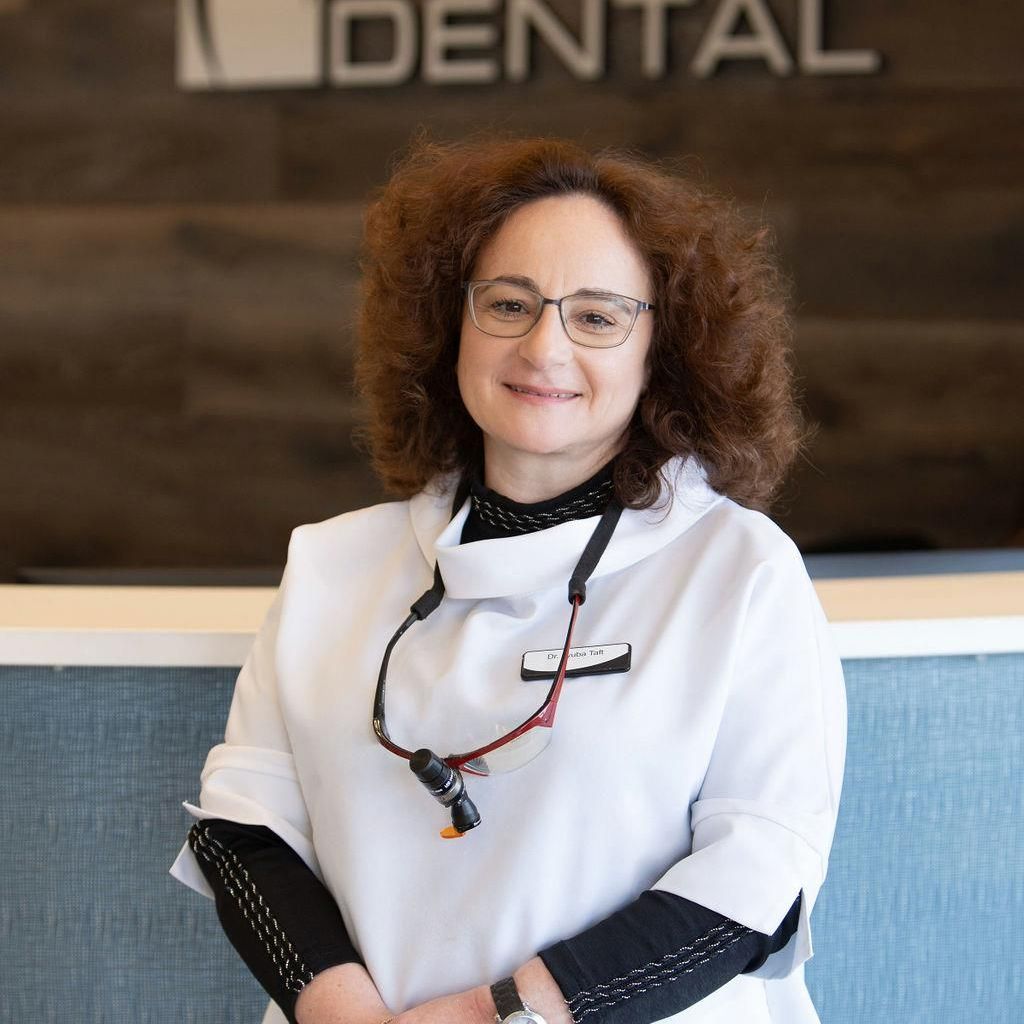
Dr. Lyuba Taft
General Dentist
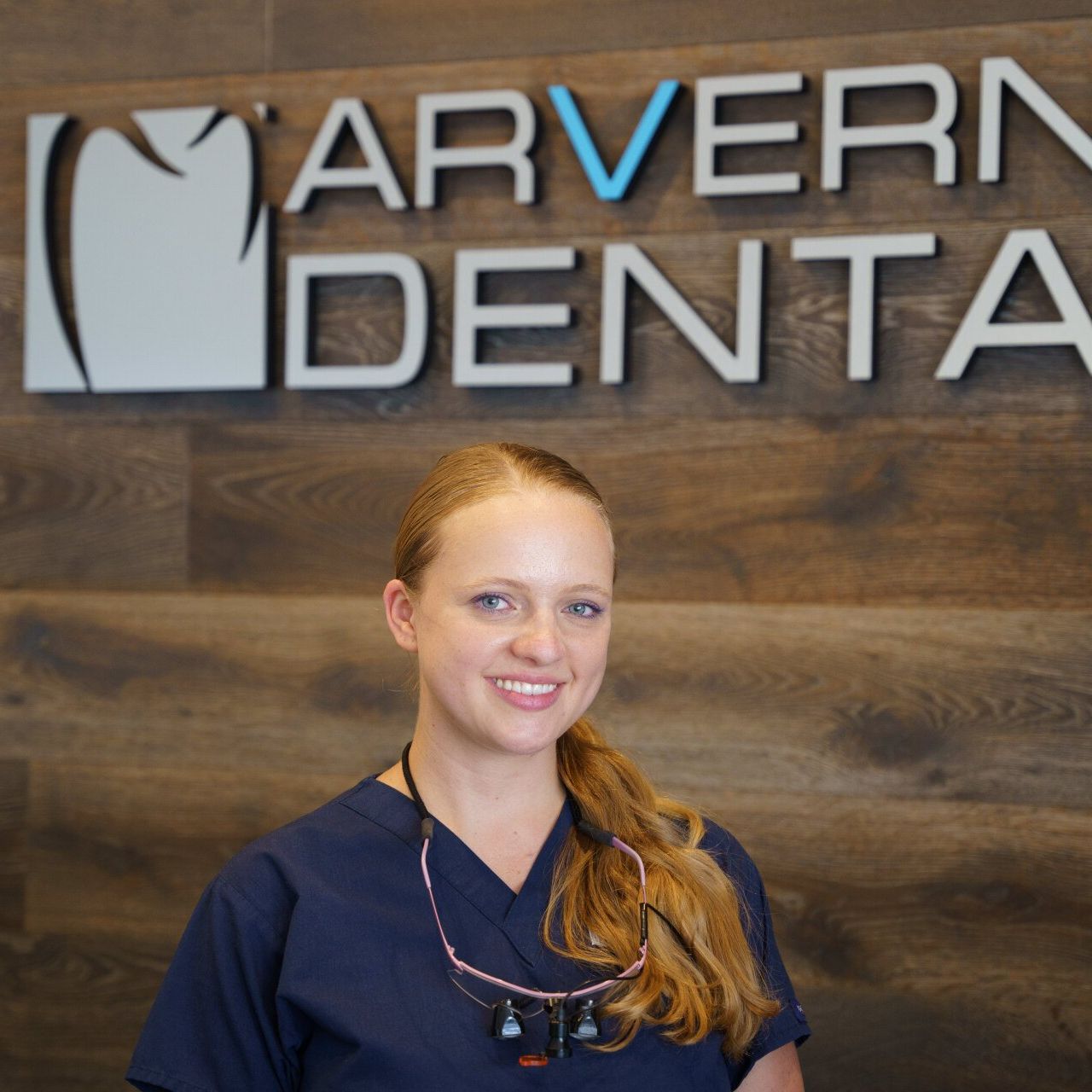
Dr. Anastasia Khaitov
General Dentist
Coming Soon!
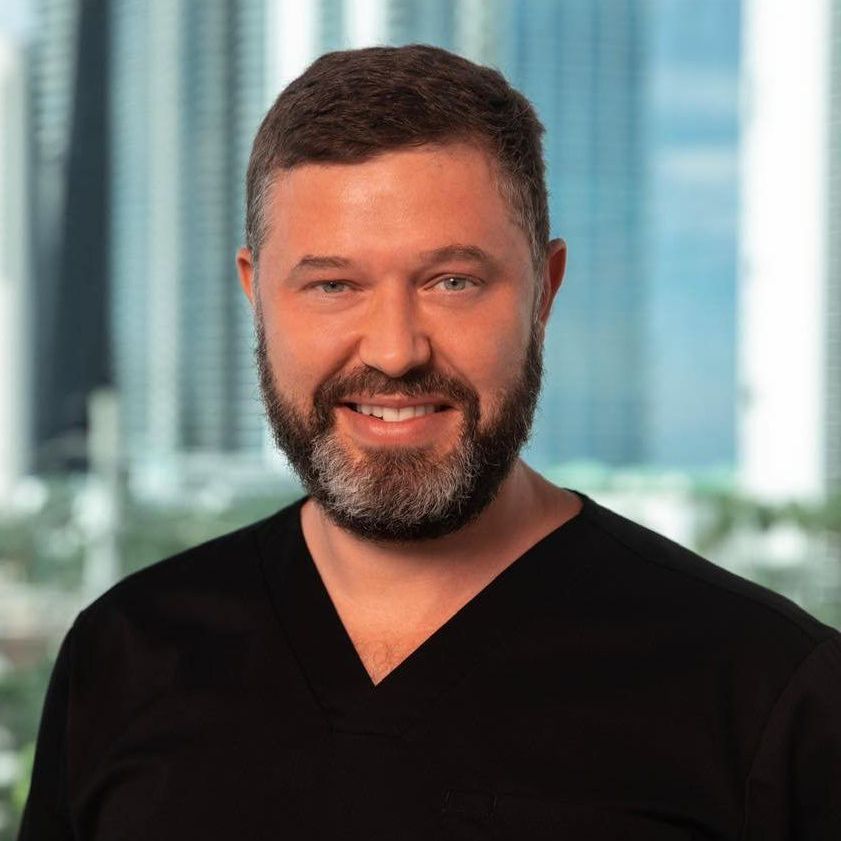
Dr. Baruch Tetri
Periodontist

Dr. Mike Lee
Endodontist