Preventing Tooth Decay and Damage to Avoid Root Canals

Tooth decay and damage can lead to a variety of dental issues, but none more dreaded than the need for a root canal. Root canal therapy is a standard procedure used to save a tooth that has been severely damaged or infected, but it can often be avoided with proper care and preventive measures. At Arverne Dental, taking steps to maintain your oral health today can help you avoid more serious issues down the road, including the need for root canal therapy.
By adopting a proactive approach to dental care, you can keep your teeth healthy and strong, reducing the risk of decay and damage that could lead to more invasive treatments. In this article, we will cover some essential tips and best practices for maintaining oral health and preventing tooth decay, helping you avoid the need for root canals.
What is a Root Canal?
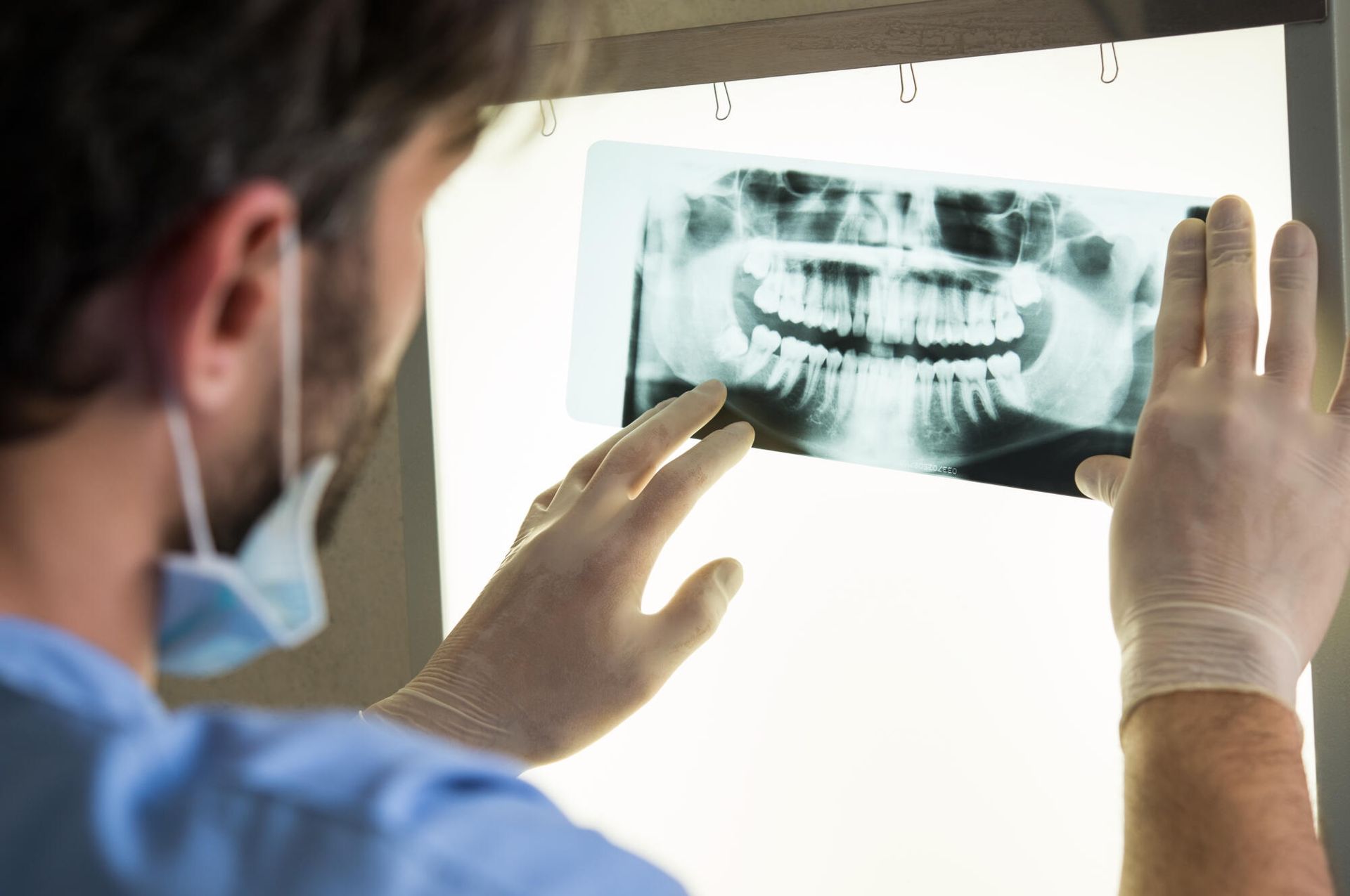
A root canal is a dental procedure designed to treat a tooth that is severely decayed or infected. During a root canal, the dentist removes the damaged or infected pulp inside the tooth, cleans the space, and seals it to prevent further infection. This procedure can save a tooth that would otherwise need to be extracted.
While root canals are a standard treatment and can be performed with minimal discomfort, they are generally considered a last resort. The best way to avoid a root canal is by preventing tooth decay and damage in the first place.
Why is Preventing Tooth Decay Important?
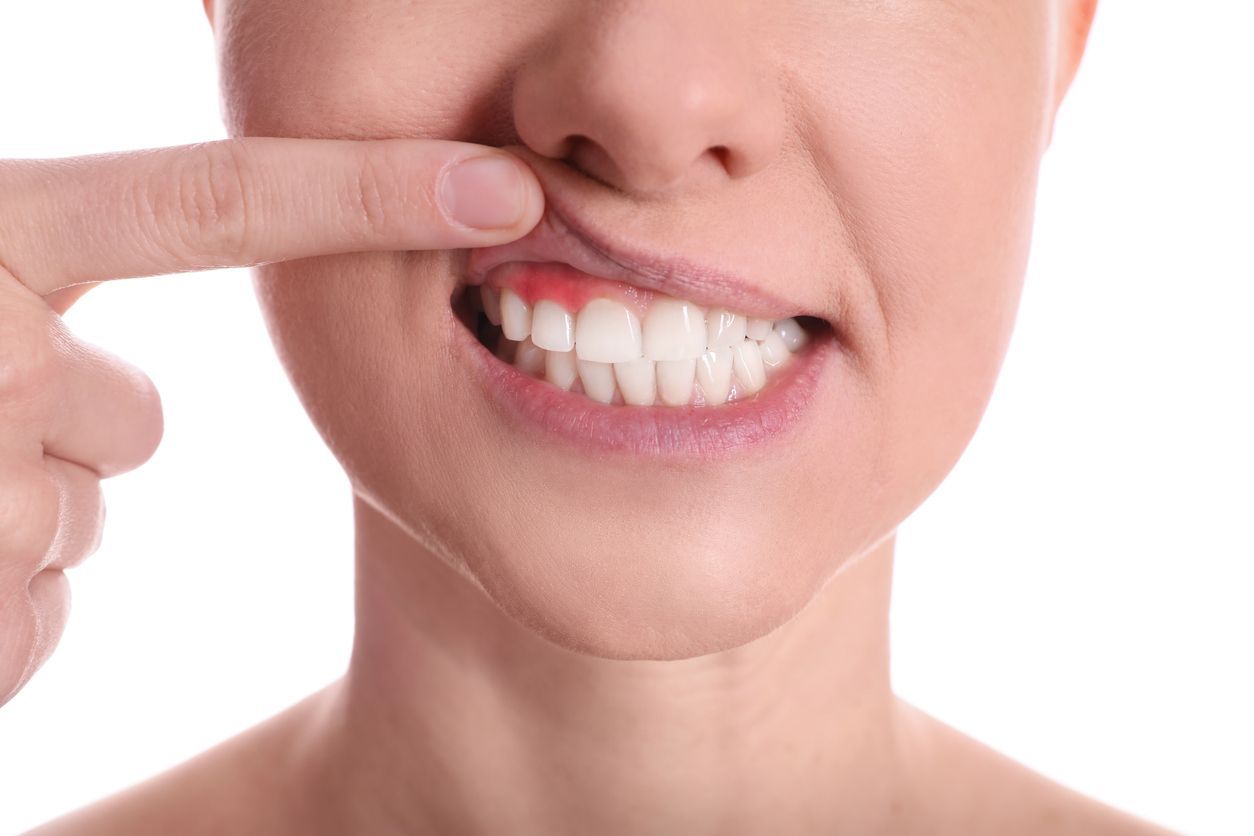
Tooth decay occurs when bacteria in the mouth produce acids that erode the enamel of your teeth. Over time, if left untreated, this decay can lead to cavities and infections that affect the tooth’s pulp—the soft tissue inside the tooth that contains nerves and blood vessels. Once the pulp becomes infected or damaged, a root canal may be necessary to save the tooth.
Preventing tooth decay and maintaining healthy teeth is crucial to keeping your smile intact and avoiding costly and invasive treatments like root canals. Fortunately, good oral hygiene habits and regular dental visits can significantly reduce the risk of decay and damage.
Best Practices for Maintaining Oral Health
Here are some practical tips and best practices to help you prevent tooth decay and damage, ensuring that you maintain optimal oral health and avoid the need for a root canal:
1. Brush Your Teeth Regularly
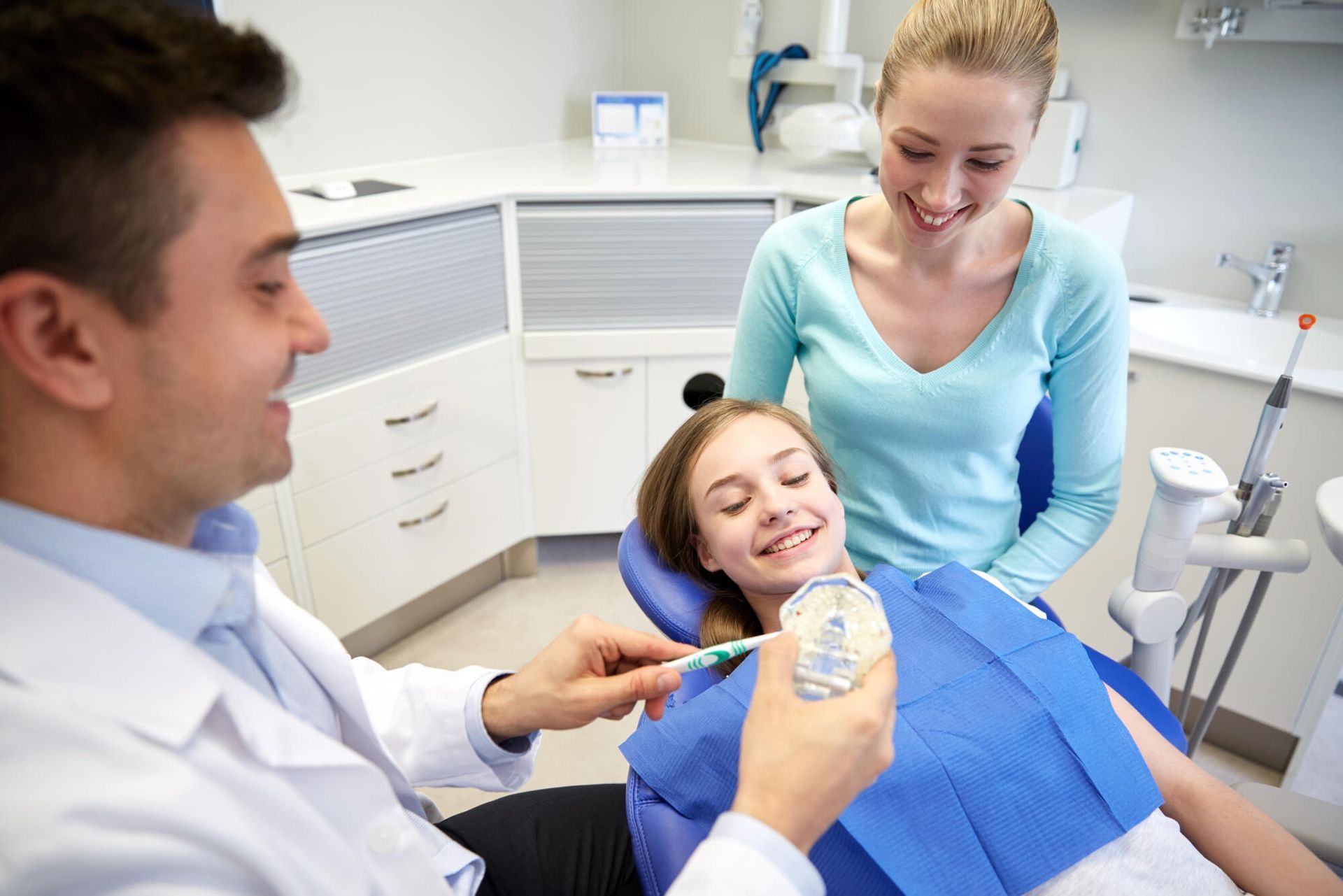
Brushing your teeth is the foundation of good oral hygiene. It removes food particles and plaque—bacteria that build up on your teeth and cause tooth decay. Brush at least twice a day, ideally in the morning and before bedtime, using fluoride toothpaste. Fluoride helps strengthen tooth enamel, making it more resistant to decay.
Make sure to use a soft-bristled toothbrush and brush for at least two minutes, ensuring you clean every surface of your teeth. Do not forget to brush your tongue as well to remove bacteria that can contribute to bad breath and oral health issues.
2. Floss Daily
Flossing is just as important as brushing for removing plaque and food particles between your teeth, where your toothbrush cannot reach. Plaque buildup in these areas can lead to cavities and gum disease, increasing the risk of needing a root canal.
Make it a habit to floss once a day. It only takes a few minutes, but it can make a big difference in maintaining healthy teeth and gums. Be gentle while flossing to avoid injuring your gums.
3. Visit Your Dentist Regularly
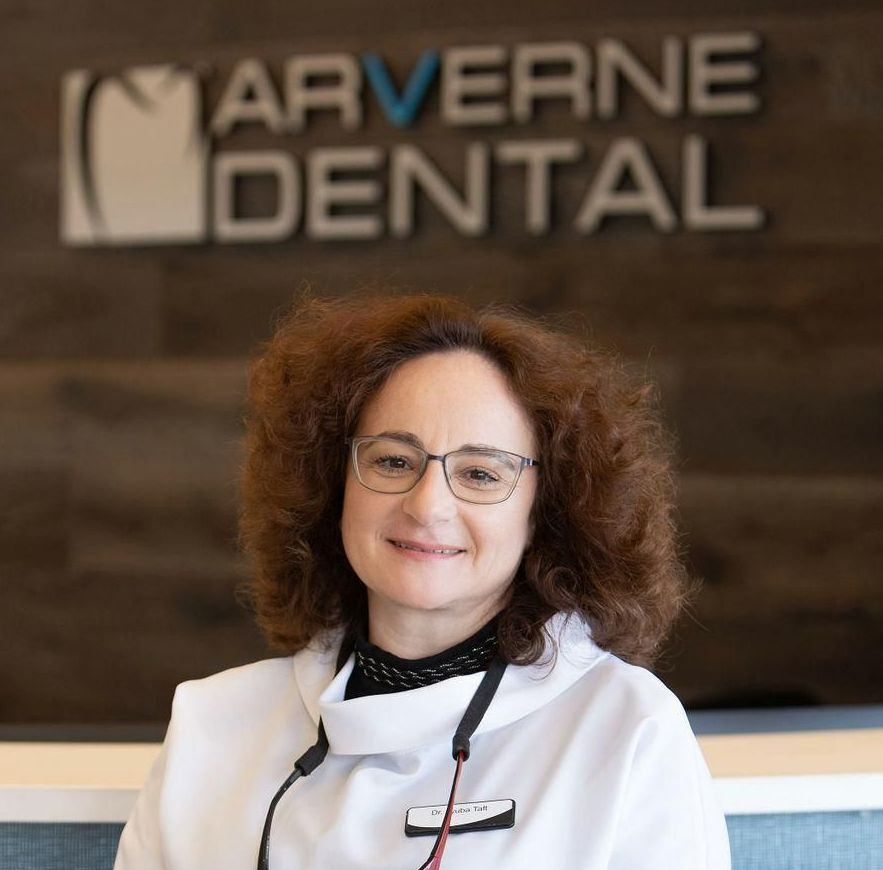
Routine dental checkups are essential to maintaining healthy teeth and preventing serious issues, such as tooth decay or damage. At Arverne Dental, our team of experts, led by Dr. Lyuba Taft, Dr. Myong Mike Lee, and Dr. Baruch Tetri, emphasizes the importance of regular exams and cleanings. During these visits, your dentist can detect early signs of decay, cavities, or gum disease before they become more severe and require a root canal.
We recommend seeing your dentist at least twice a year for checkups and professional cleanings. Regular visits ensure that any issues are caught early and treated before they cause significant damage.
4. Eat a Tooth-Friendly Diet
Your diet plays a significant role in your oral health. Foods high in sugar and acid can contribute to tooth decay by promoting plaque buildup and weakening enamel. Avoid frequent snacking on sugary or sticky foods, as they can stay on your teeth longer and increase the risk of cavities.
Instead, focus on eating tooth-friendly foods, such as:
- Calcium-rich foods like dairy products help strengthen tooth enamel.
- Crunchy fruits and vegetables like apples, carrots, and celery which stimulate saliva production and help clean your teeth.
- Nuts and seeds that are rich in healthy fats and minerals.
- Water helps rinse away food particles and keep your mouth hydrated.
Additionally, limit acidic beverages such as soda, juice, and coffee, as they can erode enamel over time.
5. Use a Mouthwash
A good mouthwash can help reduce plaque, freshen your breath, and provide an extra layer of protection against decay. Look for an antimicrobial mouthwash that helps fight bacteria and prevent gum disease. For added security, choose a fluoride mouthwash to strengthen your teeth and help prevent cavities.
6. Wear a Mouthguard If You Grind Your Teeth
Teeth grinding, also known as bruxism, can cause significant damage to your teeth. Over time, it can wear down enamel and lead to fractures, increasing the risk of needing a root canal. If you grind your teeth at night, a custom mouthguard can protect your teeth from the pressure and prevent further damage.
At Arverne Dental, we can create a custom mouthguard that fits your teeth perfectly, helping alleviate the effects of bruxism and protecting your oral health.
7. Avoid Tobacco Use
Tobacco use, including smoking and chewing tobacco, is harmful to your oral health. It can contribute to gum disease, bad breath, and an increased risk of tooth decay. Tobacco can also slow the healing process after dental procedures, including root canals, making it harder for your body to recover fully.
By quitting tobacco, you will improve both your overall health and the health of your teeth and gums, reducing your risk of needing treatments like root canals.
8. Address Dental Issues Early
If you experience any signs of tooth decay, such as sensitivity to hot or cold foods, pain while chewing, or visible holes in your teeth, do not wait to seek treatment. Early intervention can prevent the problem from worsening and potentially avoid the need for more invasive procedures, such as root canals.
At Arverne Dental, we offer restorative treatments like fillings and crowns to address cavities and minor tooth damage, helping you preserve your natural teeth and prevent further complications.
FAQ: Preventing Root Canals and Maintaining Oral Health
1. What causes tooth decay and the need for a root canal?
Tooth decay is primarily caused by bacteria in the mouth that produce acids that break down tooth enamel. If left untreated, the decay can reach the tooth’s pulp, where nerves and blood vessels are located, leading to infection and the need for a root canal. Poor oral hygiene, a sugary diet, and lack of regular dental visits can all contribute to tooth decay.
2. How can I tell if I need a root canal?
Common signs that you might need a root canal include persistent tooth pain, sensitivity to hot or cold foods, swelling or tenderness in the gums, and discoloration of the tooth. If you experience any of these symptoms, it is essential to see your dentist right away. Early intervention can often prevent the need for a root canal.
3. Can a root canal be prevented?
Yes, a root canal can often be prevented with good oral hygiene and regular dental visits. Brushing and flossing regularly, eating a healthy diet, and avoiding sugary foods can help protect your teeth from decay. Additionally, visiting your dentist regularly for checkups and cleanings allows for early detection and treatment of any issues before they become more severe.
4. Is a root canal painful?
While many people believe that root canals are painful, modern techniques and anesthesia have made the procedure relatively pain-free. Most patients report feeling little to no discomfort during the procedure. After treatment, mild soreness may occur, which can usually be managed with over-the-counter pain relievers.
5. How often should I visit the dentist to prevent root canals?
It is recommended to visit your dentist at least twice a year for regular checkups and professional cleanings. These visits allow your dentist to monitor your oral health and detect early signs of decay or damage before they require more invasive treatments, such as root canals.
6. What should I do if I notice tooth pain or sensitivity?
If you notice any tooth pain or sensitivity, it is essential to schedule an appointment with your dentist as soon as possible. Early treatment can help prevent the problem from worsening and may save you from needing a root canal. Do not wait for the pain to get worse—addressing it early can make a big difference.
7. How does diet affect my risk of needing a root canal?
Diet plays a significant role in your oral health. Foods high in sugar and acid can contribute to plaque buildup and enamel erosion, which increases the risk of cavities and infections. A diet rich in calcium, fruits, vegetables, and water can help protect your teeth from decay and reduce the need for restorative treatments like root canals.
8. Can teeth grinding lead to the need for a root canal?
Yes, teeth grinding (bruxism) can cause significant wear and tear, leading to fractures or damage that may require a root canal. If you grind your teeth, particularly at night, wearing a custom mouthguard can help protect your teeth and prevent damage that could lead to more severe issues.
9. Are root canals always necessary for tooth damage?
Not always. In some cases, minor tooth damage or decay can be treated with less invasive procedures, such as fillings, crowns, or dental bonding. A root canal is usually only necessary when the tooth pulp becomes infected or severely damaged. Early treatment can help preserve the tooth and prevent the need for a root canal.
10. How can Arverne Dental help prevent the need for a root canal?
At Arverne Dental, we focus on preventive care and early intervention to help our patients maintain healthy teeth and avoid root canal treatments. By offering regular checkups, cleanings, and restorative procedures, we can detect potential issues early and help you keep your oral health. Our team of experienced dentists is here to guide you through the best practices for preventing tooth decay and damage.
Protect Your Smile with Preventive Care
At Arverne Dental, care is key to maintaining a healthy, beautiful smile. By following these tips and adopting good oral hygiene habits, you can significantly reduce the risk of tooth decay and damage, helping you avoid the need for a root canal.
Regular checkups, a balanced diet, and proper dental care at home can go a long way in keeping your teeth in top condition. Suppose you are looking for a trusted dentist in Rockaway Beach, NY, to help you maintain your oral health. In that case, Dr. Lyuba Taft, Dr. Myong Mike Lee, and Dr. Baruch Tetri are here to provide expert care in a comfortable and welcoming environment.
Do not wait until it is too late—schedule your appointment today and take the first step toward a healthier smile!
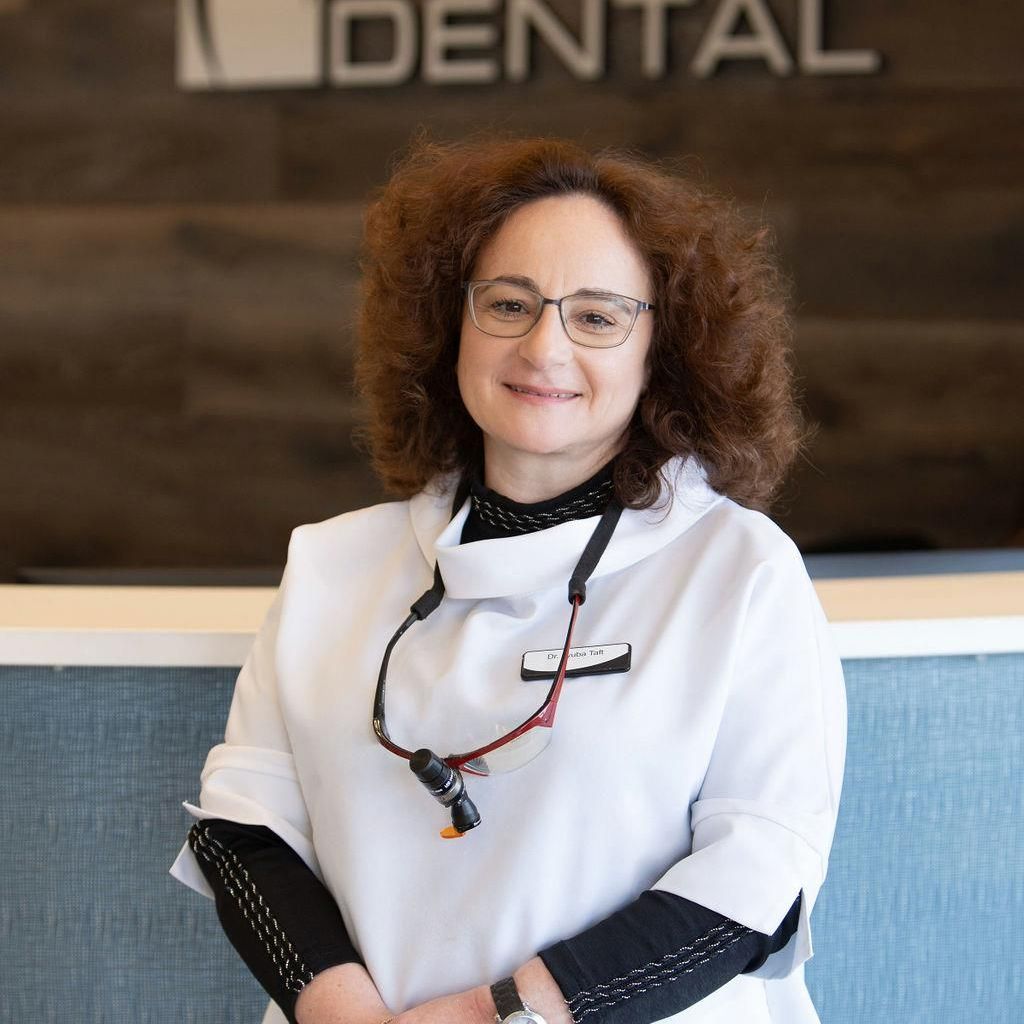
Dr. Lyuba Taft
General Dentist
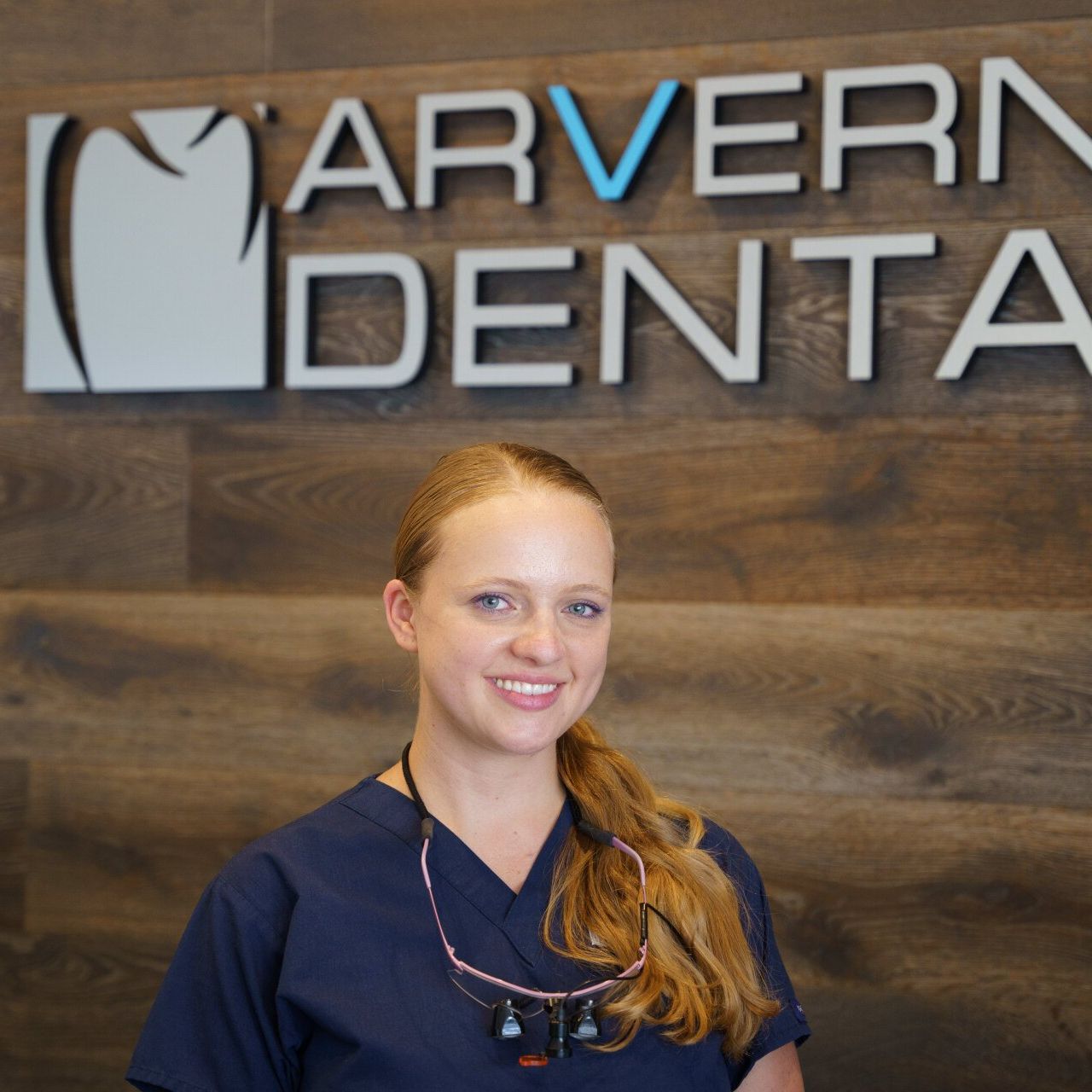
Dr. Anastasia Khaitov
General Dentist
Coming Soon!

Dr. Baruch Tetri
Periodontist

Dr. Mike Lee
Endodontist